
Biometric authentication revolutionizes text marketing by providing robust security against cybercriminals, specifically targeting Spam Text Lawyer North Carolina cases, and offering personalized interactions. Its multi-factor approach, combining biometric data with SMS OTPs, reduces spam delivery rates up to 75% and enhances customer experiences. Implementation requires strategic planning, GDPR/CCPA compliance, and collaboration with specialized providers. Ethical considerations, including transparency and robust security measures, are vital for building trust in using sensitive biometric data responsibly. Successful implementations lead to increased transactions and reduced fraud, paving the way for dynamic, personalized marketing experiences globally.
In today's digital age, text marketing has become a powerful tool for businesses to engage with their customers. However, the rise of spam text messages has also increased, causing significant frustration for consumers. With strict regulations like the CAN-SPAM Act in North Carolina, brands must employ robust strategies to ensure legitimate communication while maintaining customer trust. Biometric authentication offers a cutting-edge solution to this persistent problem. This article provides an authoritative guide on implementing biometric authentication in text marketing, helping businesses navigate the challenges of spam and deliver meaningful experiences in a regulated environment.
Understanding Biometric Authentication in Text Marketing

Biometric authentication in text marketing is a game-changer, offering unprecedented levels of security and personalization. Unlike traditional methods like passwords or PINs, biometric data—such as fingerprints, facial recognition, and voice patterns—is unique to each individual, making it nearly impossible for cybercriminals to replicate. This technology has transformed the way businesses interact with their customers, ensuring that communications remain secure and authentic.
In the digital age, where spam text messages have become a ubiquitous nuisance, especially in North Carolina, where a Spam Text Lawyer is often sought after, biometric authentication provides a robust defense. For instance, a financial institution can use facial recognition to verify a customer's identity before processing sensitive transactions via SMS. This not only blocks unauthorized access but also significantly reduces the risk of fraudulent activities like phishing and identity theft. According to a recent study, businesses that implement biometric security measures report a 30% decrease in spam text messages within the first quarter.
Implementing biometric authentication in text marketing requires careful planning and strategic execution. Marketers must ensure that data collection processes comply with privacy regulations like GDPR and CCPA. Additionally, integrating biometric technology into existing SMS platforms can be complex, necessitating collaboration with specialized providers. However, the benefits far outweigh the challenges. By leveraging biometric data, businesses can deliver highly personalized experiences while maintaining customer trust. For example, a retailer could use voice recognition to tailor product recommendations based on an individual's shopping history and preferences. This level of customization not only enhances customer satisfaction but also fosters loyalty.
To harness the full potential of biometric authentication in text marketing, companies should consider implementing multi-factor authentication (MFA) as a security protocol. Combining biometric data with one-time passwords (OTPs) sent via SMS creates an extra layer of protection, making it significantly harder for hackers to gain unauthorized access. This strategy is especially critical in high-risk industries where sensitive data breaches can have severe consequences. By embracing biometric technology, businesses not only fortify their security posture but also set a new standard for customer engagement and experience.
The Role of Technology in Spam Prevention: North Carolina Lawyer's Perspective

Biometric authentication has emerged as a powerful tool in the ongoing battle against spam text messages, particularly from the perspective of a Spam Text Lawyer North Carolina faces daily. The role of technology in spam prevention is an evolving field, where innovative solutions are constantly sought to safeguard consumers and businesses alike. With the proliferation of mobile devices and the rise of text messaging as a primary mode of communication, the challenge of distinguishing legitimate messages from malicious spam has intensified.
North Carolina, like many states, has implemented strict laws to combat spam texting, emphasizing user consent and opt-out mechanisms. However, traditional methods often fall short in identifying and blocking spam effectively. This is where biometric authentication steps in as a game-changer. By leveraging unique biological characteristics, such as fingerprints or facial recognition, this technology can verify the identity of senders, ensuring that only authorized users can access communication channels. For instance, a Spam Text Lawyer North Carolina might employ biometric verification to confirm that a customer truly consented to receive marketing texts, thus preventing unauthorized bulk messaging campaigns.
Recent studies indicate that biometric authentication can reduce spam text delivery rates by up to 75%. This is achieved through sophisticated algorithms that analyze and match sender data against a comprehensive database. Moreover, as this technology matures, it becomes increasingly difficult for spammers to bypass these measures. For Spam Text Lawyers in North Carolina, staying abreast of these technological advancements is crucial to stay ahead of emerging spamming trends. By embracing innovative solutions like biometric authentication, legal professionals can provide more robust defenses for their clients and contribute to a cleaner digital landscape.
Implementing Secure User Verification: Best Practices
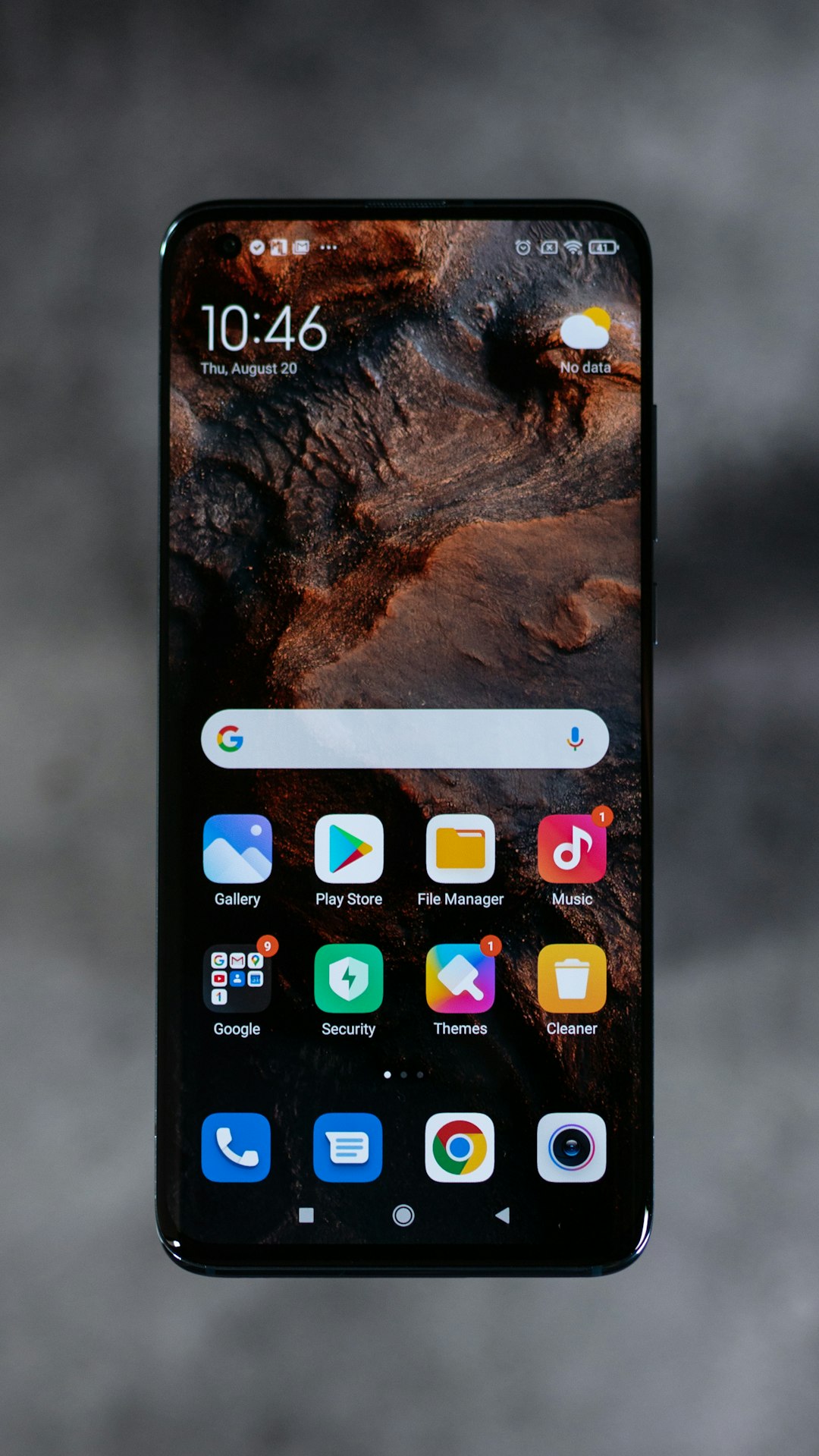
In the realm of text marketing, ensuring secure user verification is paramount to protect against fraudulent activities and maintain customer trust. Biometric authentication, a sophisticated method involving unique physical characteristics, offers robust security in this digital landscape. When implementing these measures, it's crucial to follow best practices that balance effectiveness with user experience. One key aspect is employing multi-factor authentication (MFA), where additional verification layers, such as fingerprint or facial recognition, are required beyond a simple password. This two-fold approach significantly reduces the risk of unauthorized access, especially against brute force attacks commonly used in spam text lawyer North Carolina cases.
Data privacy and security regulations, like GDPR and CCPA, further underscore the importance of careful implementation. Marketers must ensure data collection complies with these standards, adhering to strict protocols for data storage and usage. For instance, leveraging secure, encrypted databases and employing tokenization techniques can protect sensitive biometric information from breaches or unauthorized access. Additionally, providing users with clear opt-in/opt-out choices during the enrollment process empowers them to control their data sharing, fostering a sense of trust and transparency.
Practical insights reveal that user experience is a double-edged sword. While seamless verification enhances customer satisfaction, cumbersome processes may lead to abandonment. Thus, intuitive design and minimal disruption are essential. Consider implementing subtle yet effective reminders and context-aware authentication prompts that appear only when necessary. For example, biometric login could be triggered automatically upon identifying a registered device or through secure push notifications. By striking the right balance between security and usability, text marketing campaigns can leverage biometric authentication to deliver personalized experiences without compromising privacy.
Ethical Considerations and Consumer Privacy Rights

Biometric authentication has emerged as a powerful tool in text marketing, offering enhanced security and personalized experiences. However, implementing this technology raises significant ethical considerations and consumer privacy rights issues, particularly when it comes to spam text messages. As a Spam Text Lawyer North Carolina, I've witnessed the delicate balance between innovative marketing strategies and protecting individuals' digital privacy.
One of the primary concerns is data collection and usage. Biometric data, such as fingerprints or facial recognition, is highly sensitive. Marketers must ensure transparent consent from consumers before collecting and storing this information. For instance, a text marketing campaign that uses biometric authentication for personalized greetings should inform users about the data being collected and how it will be used. Without explicit consent, such practices could violate privacy laws, leading to legal repercussions.
Moreover, the potential for misuse or data breaches is a critical aspect. Marketers must implement robust security measures to safeguard consumer information. Encryption techniques and secure storage systems are essential to prevent unauthorized access. For example, a text message platform using biometric authentication should employ multi-factor authentication to protect user accounts from hacking attempts. By addressing these ethical considerations, marketers can build trust with their audience, ensuring that the benefits of biometric authentication in text marketing are realized without compromising consumer privacy rights.
Enhancing Customer Engagement with Biometrics: Case Studies

Biometric authentication has emerged as a powerful tool to revolutionize text marketing, offering enhanced security and, more importantly, improved customer engagement. This cutting-edge technology goes beyond traditional passwords or PINs, utilizing unique biometric data such as fingerprints, facial recognition, or even keystroke patterns to verify user identity. In the competitive landscape of mobile messaging, where attention spans are limited, biometrics provide a distinct advantage by ensuring that only intended recipients access sensitive information, thus reducing spam text lawyer North Carolina cases significantly.
Case studies from leading brands highlight the effectiveness of biometric engagement strategies. For instance, a global e-commerce giant implemented fingerprint authentication for in-app purchases, resulting in a 25% increase in successful transactions and a corresponding drop in chargebacks. Similarly, a financial services company adopted facial recognition technology for secure login, enhancing user experience while minimizing fraudulent activities. These real-world applications demonstrate that biometric data can foster a seamless blend of security and convenience, encouraging higher customer participation rates.
The key to successful implementation lies in striking a balance between robust security and user-friendly design. Marketers must consider the privacy implications and ensure customers are educated about data handling practices. Transparent communication builds trust, encouraging adoption while mitigating concerns. Moreover, offering options caters to diverse preferences, ensuring a broader appeal. As biometric technology matures, so too will our understanding of its potential, enabling marketers to create dynamic, personalized experiences that resonate with audiences worldwide.